
How 2026 Auto Tariffs Are Changing Car Prices for Buyers
Navigating the car market has become increasingly challenging over the past few years, but a new economic variable is complicating things further: trade policies. In 2026, the implementation of aggressive global trade policies is reshaping how vehicles are priced, manufactured, and sold. Many prospective buyers find themselves asking: why are car prices rising when supply chain issues have largely resolved? The answer lies in the sweeping car tariffs 2026 has introduced. Designed to protect domestic manufacturing and encourage localized battery production, these measures have created a ripple effect across the entire automotive sector. In this comprehensive analysis, we will explore the deep auto industry tariffs impact, detail how the latest vehicle import tax is levied on both raw materials and finished cars, and provide actionable advice for consumers trying to make smart buying decisions in a volatile economic climate.

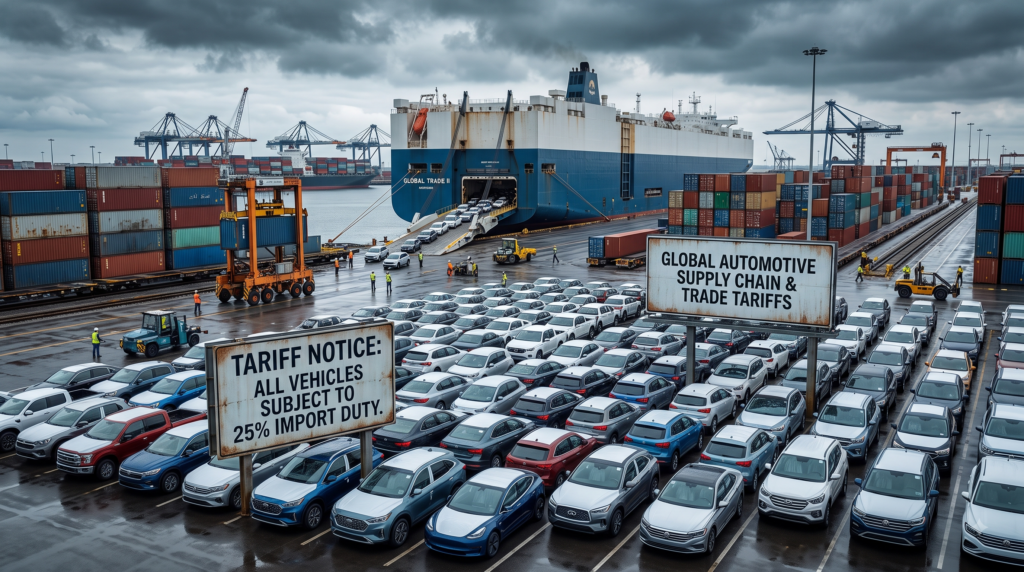
Global shipping ports face new compliance hurdles as car tariffs 2026 go into full effect.
The Origin of the 2026 Auto Tariffs
Tariffs are taxes imposed by a government on imported goods. Historically, the auto industry has operated on a highly globalized model, where components might cross borders multiple times before final assembly. For instance, a vehicle assembled in the United States might use an engine built in Mexico, electronics from South Korea, and steel sourced from Canada.
In 2026, major economic blocs—most notably the United States and the European Union—have introduced new trade policies aimed at protecting their local industrial bases. These governments argue that heavily subsidized foreign manufacturers, particularly those producing cheap electric vehicles in Asia, threaten local jobs and industrial stability. To counter this, they have enacted substantial tariffs, in some cases reaching over 100% on imported electric cars and key battery components. While these policies aim to foster domestic manufacturing over the long term, their immediate consequence is a rise in costs that is quickly passed on to retail buyers.
Why Are Car Prices Rising?
It is a common misconception that tariffs only affect vehicles fully built abroad. In reality, the modern automotive supply chain is so interconnected that domestic vehicles are also impacted. When a vehicle import tax is placed on steel, aluminum, semiconductor chips, or lithium-ion battery cells, the cost to build a car in the United States or Europe rises.
Let’s look at the direct mechanisms driving these increases:
- Raw Material Costs: Increased tariffs on industrial metals like steel and aluminum directly increase the manufacturing costs of the frame, body panels, and engine blocks.
- Battery Component Pricing: The transition to electric vehicles relies on critical minerals like lithium, cobalt, and nickel, along with processed anode and cathode materials. New tariff regulations require these materials to be sourced from specific trade partners to avoid taxes, driving up production costs for compliant batteries.
- Compliance and Logistics: Automakers are spending heavily to audit their supply chains and document the exact origin of every part. These administrative expenses add to the final retail price of the vehicle.
Detailed Breakdown of the Auto Industry Tariffs Impact
The impact of these tariffs varies depending on the vehicle type, where it is assembled, and the origin of its components. Understanding these differences can help buyers avoid unnecessary markups.
Imported Finished Vehicles vs. Domestically Assembled Vehicles
Vehicles that are fully manufactured abroad and shipped to domestic markets face the most direct hit. For example, popular compact cars and SUVs imported from manufacturing hubs in Asia and parts of Europe now carry a significant tax, which is typically added directly to the Manufacturer’s Suggested Retail Price (MSRP). Domestically assembled vehicles, on the other hand, only feel the indirect impact of imported parts tariffs, which generally results in a smaller, more gradual price increase.
The Electric Vehicle Dilemma
Electric vehicles are particularly vulnerable to the 2026 tariff changes. Because battery packs represent roughly 30% to 40% of an EV’s total cost, and battery supply chains are heavily concentrated in East Asia, new tariff rules have disrupted EV pricing. While some vehicles lose their eligibility for clean energy tax credits, others face steep import duties, making the path to affordable electric vehicles more challenging for consumers.

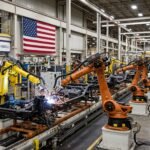
Automakers are accelerating plans to localize assembly lines to bypass import taxes.
Consumer Survival Guide: How to Buy a Car in 2026
Despite the rising costs, consumers can still find good value by adjusting their shopping strategy. Here are a few ways to minimize the impact of the new tariffs on your next purchase:
1. Target Vehicles with High Local Content
Before purchasing, check the vehicle’s window sticker (often called the Monroney label). This label lists the percentage of domestic parts and the final assembly location. Vehicles with high domestic content (e.g., 60% or more sourced from North America or the EU, depending on your region) are less affected by import duties, meaning their pricing is typically more stable.
2. Consider the Used Car Market
Vehicles that are already registered and operating on domestic roads are not subject to new import tariffs. While the used car market can experience secondary price increases due to rising new car prices, it remains a reliable way to avoid paying the tariff premium on a brand-new model.
3. Explore Leasing Options
In some markets, commercial leasing regulations contain provisions that bypass certain clean vehicle tariff restrictions. This allows lease deals to pass savings on to the consumer that would otherwise be unavailable for a traditional purchase. Be sure to ask your dealer if leasing offers better access to incentives.
Buying Tip: Look closely at the vehicle’s manufacturing origin. Drivetrains assembled in countries with active Free Trade Agreements (FTAs) are exempt from many of the harshest import duties, helping keep retail prices stable.
Long-Term Changes in the Auto Industry
While the immediate result of the car tariffs 2026 has introduced is higher prices, the long-term goal of these policies is to encourage automakers to build factories locally. We are already seeing a wave of investments in new battery plants and assembly facilities across North America and Europe. Once these factories are fully operational, the reliance on imports will decrease, which should lead to more stable and affordable pricing for consumers in the future.

Car dealerships are adapting their inventory to focus on locally produced models.
Conclusion
The 2026 auto tariffs have added a layer of complexity to the car-buying process, directly impacting MSRPs and altering vehicle availability. By understanding why are car prices rising and identifying which models are most affected by the vehicle import tax, you can make more informed decisions. Focus your search on domestically assembled vehicles, watch for supply chain compliance details, and evaluate leasing options to navigate this transition period. The automotive industry is adjusting to a new localized era, and informed consumers are best positioned to find the right vehicle at the right price.
Key Takeaways
- Policy Drivers: The car tariffs 2026 has introduced aim to protect local manufacturing, but they have resulted in immediate price increases for consumers.
- Interconnected Costs: Tariffs on raw materials like steel and battery minerals mean that even domestically assembled cars are seeing price increases.
- EV Vulnerability: Electric vehicles face the most disruption due to their heavy reliance on international battery supply chains.
- Smart Buying: Consumers can save by checking the domestic parts percentage on window labels and exploring used or leased vehicles.