
Software-Defined Vehicles: Why Your Next Car Updates Like a Smartphone
For nearly a century, buying a car was a transaction set in stone. The vehicle you drove off the dealership lot was the exact same vehicle you would own for years, down to the horsepower, suspension tuning, and dashboard buttons. The only way to get new features was to buy a newer model. However, in 2026, the automotive industry has entered the era of the software-defined vehicle (SDV). Today, the value, performance, and experience of a car are determined more by its software than its physical parts. By utilizing over-the-air updates cars can receive performance improvements, safety updates, and new entertainment options long after they leave the factory floor. In this article, we will explain the shift to software-defined architecture, explore the latest car software features, and discuss the role of connected vehicle tech in our daily lives. We will also address the challenges of this transition, including cybersecurity and subscription models, to help you make informed decisions when purchasing your next vehicle.

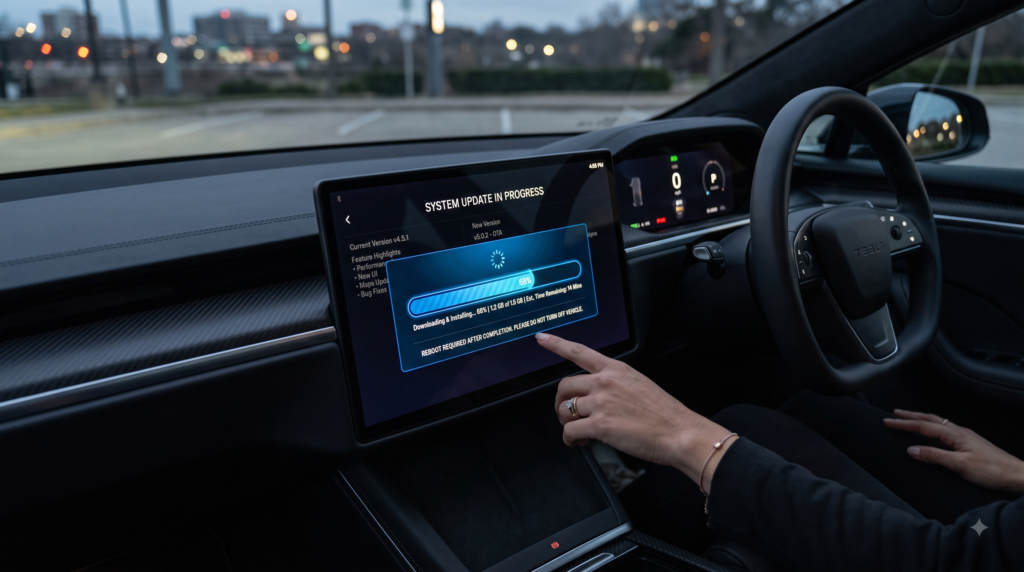
Modern dashboards function like large smartphones, receiving features and performance tweaks overnight.
What is a Software-Defined Vehicle?
A software-defined vehicle is a car whose features, behavior, and capabilities are primarily managed and updated by software, rather than being fixed by hardware components. In traditional vehicles, functions were controlled by separate computers called Electronic Control Units (ECUs), each dedicated to a single task like managing the engine or controlling power windows. Upgrading a feature meant physically replacing the corresponding unit.
Modern software-defined vehicles replace this fragmented setup with a centralized computing architecture. A few powerful central computers run a unified operating system that controls the entire vehicle. This design allows the software to access all parts of the car, enabling automakers to update the vehicle’s driving dynamics, safety systems, and cabin features through software modifications.
The Power of Over-the-Air (OTA) Updates
The defining feature of a software-defined vehicle is the ability to receive over-the-air updates. Just like your smartphone downloads updates overnight to add features or fix bugs, your vehicle can connect to Wi-Fi or cellular networks to update its systems. This capability has changed how automakers manage vehicle updates and recalls:
- Software Recalls: Historically, a software bug meant a trip to the dealership. Today, manufacturers can fix many software issues by sending a patch directly to the car, saving time for owners and reducing costs for the brand.
- Continuous Improvement: Automakers can improve battery efficiency, refine ride comfort, or adjust braking performance based on real-world driving data, making the car better over time.
- Customization: Drivers can purchase and install new features on demand, such as adding heated seats, updating navigation maps, or installing driver assist systems.
New Car Software Features in 2026
As central computing becomes standard, the variety of software features available to drivers is expanding. In 2026, we are seeing features that make driving more convenient, personalized, and entertaining. For instance, advanced route planning systems can coordinate with public charging networks, checking real-world charger availability and preheating the battery before you arrive to ensure fast charging speeds.
Inside the cabin, personalization software adjusts settings automatically based on who is driving. The car can recognize your smartphone or face, setting your preferred seat position, climate control preferences, and music playlists. Entertainment options also include video streaming, gaming, and productivity apps, allowing passengers to stay productive or entertained while the vehicle is parked or charging.

Centralized computers connect the vehicle to local cellular networks for regular updates.
The Role of Connected Vehicle Tech
Software-defined vehicles rely on connected vehicle tech to communicate with the outside world. This connectivity enables vehicle-to-everything (V2X) communication, allowing the car to share data with other vehicles, traffic signals, and cloud networks. In practice, this means your car can receive real-world warnings about accidents or icy roads ahead before they are visible, helping you choose a safer route.
Additionally, this connectivity helps fleet operators monitor their vehicles in real time. Delivery and transport companies can track fuel efficiency, monitor tire wear, and receive maintenance alerts before parts fail, reducing downtime and improving operational safety.
Consumer Warning: The shift to software-defined architecture has led some automakers to introduce subscription models for hardware features that are already built into the car, such as heated steering wheels or performance boosts. Be sure to research which features require ongoing subscription fees before purchasing.
Challenges of Software-Defined Architecture
While the benefits of software-defined vehicles are significant, this transition also introduces new challenges. As cars become more connected, cybersecurity is a primary focus. Automakers must design secure firewalls to protect the vehicle’s driving controls from unauthorized access or hacking. Additionally, they must ensure the software remains stable, as system crashes can affect critical safety features.
Another challenge is software longevity. Just as old smartphones eventually stop receiving updates, older software-defined vehicles may struggle to run new software features as computing hardware advances. Buyers should ask about the manufacturer’s commitment to supporting older software platforms before committing to a purchase.

Robust cybersecurity protocols are essential to protect connected vehicles from digital threats.
Practical Advice for Today’s Car Buyers
To navigate the software-defined car market successfully, buyers should focus on a few key areas during their research:
- Verify Software Support Policies: Ask the dealer how long the vehicle is guaranteed to receive software updates and security patches.
- Understand the Fee Structure: Clarify which software features are included with the purchase price and which require a monthly or annual subscription.
- Test the Interface: Make sure the touchscreen interface is fast, easy to navigate, and supports over-the-air updates for navigation maps and critical vehicle systems.
Conclusion
The transition to software-defined vehicles is redefining our relationship with our cars. By enabling over-the-air updates cars can remain modern, safe, and efficient throughout their lifespans. As connected vehicle tech continues to advance, our cars will work more closely with our digital lives, offering personalized, convenient driving experiences. While challenges like cybersecurity and subscription fees require careful attention, the software-defined vehicle represents a major step forward, turning our cars into dynamic, evolving platforms that keep pace with technology.
Key Takeaways
- Centralized Design: Centralized computing allows a single operating system to manage the entire vehicle, enabling easy updates and upgrades.
- Over-the-Air Convenience: Over-the-air updates cars receive let manufacturers fix software bugs and deliver new features without requiring a dealership visit.
- Ongoing Costs: Some hardware features now require subscription fees, a business model that buyers must evaluate carefully before purchasing.
- Cybersecurity Focus: As cars become more connected, robust cybersecurity is essential to protect driving controls from potential digital threats.