
Solid-State Batteries: The Future of EV Charging Explained
For over a decade, electric vehicle critics and enthusiasts alike have pointed to the same two bottlenecks: charging times and energy density. While lithium-ion batteries have powered the initial wave of the EV transition, they are rapidly reaching their physical limitations. Enter the solid-state battery EV, a technology widely hailed as the holy grail of clean transportation. By replacing the volatile liquid electrolyte found in current batteries with a solid conductive material, researchers and automakers are unlocking unprecedented energy storage capacity and safety profiles. In this in-depth guide, we will demystify this revolutionary technology, explaining how it enables ultra-fast charging technology, delivers a historic battery range breakthrough, and represents the most critical EV battery innovation of our generation. We will cover the core science behind solid-state cells, analyze the manufacturing challenges being resolved in 2026, explore how major automakers like Toyota, Nissan, and QuantumScape are racing to commercialize it, and look at the practical implications this breakthrough will have on the daily lives of drivers worldwide.

The shift to solid-state battery EV design swaps out flammable liquid electrolytes for stable solid materials.
The Limitations of Today’s Lithium-Ion Battery Technology
To appreciate the significance of solid-state technology, one must first understand how current electric vehicles operate. Today’s cars rely on lithium-ion batteries containing a liquid electrolyte. Within these batteries, lithium ions travel through the liquid between a positive cathode and a negative anode during charging and discharging cycles. A polymer separator keeps the two electrodes from touching, which would cause a short circuit.
While this design has successfully brought us to the current era of electric vehicles, it has inherent safety and performance trade-offs:
- Thermal Runaway Risks: Liquid electrolytes are highly flammable organic solvents. If a battery is punctured in an accident or suffers from a manufacturing defect, it can overheat, leading to fires that are extremely difficult to extinguish.
- Dendrite Formation: Over time, fast charging can cause microscopic, needle-like structures of lithium called dendrites to grow on the anode. These dendrites can pierce the separator, causing battery failure, short circuits, or fires.
- Energy Density Caps: Current chemistry is nearing its theoretical energy density limit. To get more range, manufacturers have to build larger, heavier battery packs, which increases vehicle weight and reduces overall efficiency.
What is a Solid-State Battery EV?
A solid-state battery EV addresses these pain points by replacing the liquid electrolyte with a solid alternative, such as ceramics, polymers, or glass. The solid electrolyte doubles as the separator, removing the need for a separate physical barrier. This simple structural change enables a cascade of performance enhancements that redefine the capabilities of electric vehicles.
Without the liquid electrolyte, the risk of fire is virtually eliminated. Solid-state cells can operate at much higher temperatures without requiring complex, heavy active cooling systems. Furthermore, this stability allows manufacturers to use a pure lithium metal anode instead of graphite. Lithium metal anodes have a much higher theoretical capacity, allowing the cell to store significantly more energy in the same physical volume.
The Fast Charging Technology Revolution
One of the most exciting aspects of solid-state batteries is their ability to withstand high currents without degrading. Charging a traditional lithium-ion battery quickly generates high heat and accelerates dendrite growth, which is why fast charging speeds are heavily throttled after the battery reaches 80% capacity.
Solid-state batteries, however, can handle rapid energy transfer. The solid electrolyte prevents dendrite penetration, allowing for sustained, high-power fast charging technology. In practice, this means a solid-state battery EV can charge from 0% to 80% in 10 minutes or less, comparable to the time it takes to fill a traditional gasoline tank. This speed removes one of the primary psychological barriers preventing mainstream drivers from transitioning to electric vehicles.
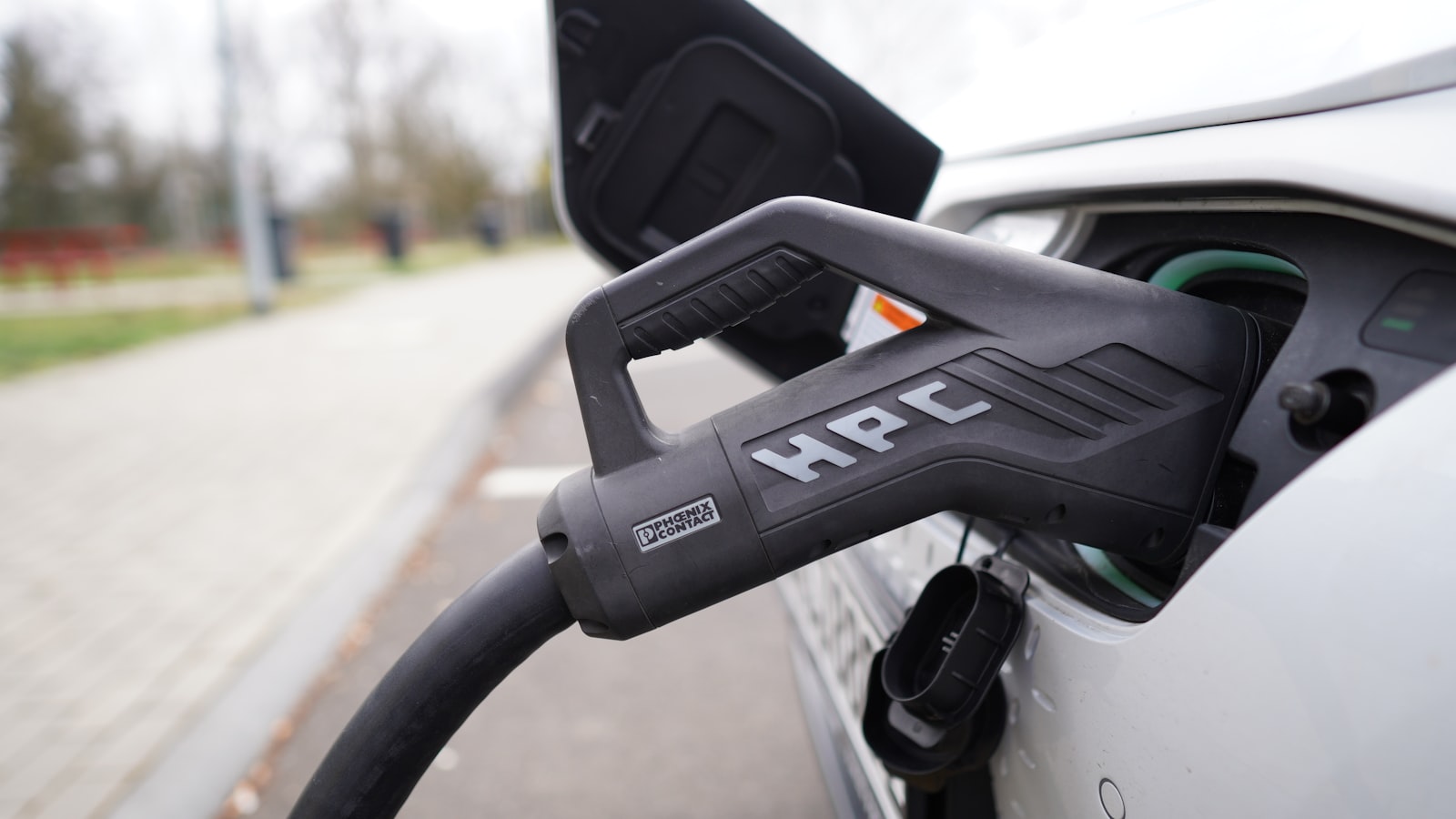
Next-generation fast charging technology aims to match the convenience of a five-minute gas station stop.
Achieving the Battery Range Breakthrough
For drivers who frequently travel long distances, the promise of a battery range breakthrough is the most compelling aspect of solid-state innovation. Energy density is measured in Watt-hours per kilogram (Wh/kg). Standard lithium-ion batteries top out around 250 to 300 Wh/kg at the pack level.
In contrast, solid-state cells are targeted to exceed 500 Wh/kg. This leap in energy density translates to two major design choices for automakers:
- Doubling the Range: Keeping the battery pack the same size and weight while doubling the vehicle’s driving range, allowing passenger vehicles to easily exceed 600 miles on a single charge.
- Reducing Vehicle Weight: Creating lighter vehicles by using smaller battery packs that still deliver a comfortable 300-mile range. Lighter cars require less energy to move, improving handling, tire wear, and overall suspension dynamics.
The Landscape of EV Battery Innovation in 2026
The race to commercialize solid-state batteries has turned into a global competition involving major automakers, startups, and university research labs. In 2026, we are transitioning from pilot production lines to commercial implementation. Toyota, which holds over a thousand patents related to solid-state batteries, has announced plans to introduce its first production vehicle featuring a solid-state battery, prioritizing hybrid and high-end models to manage initial production costs.
Meanwhile, companies like QuantumScape, backed by Volkswagen, are delivering test cells to automotive partners that demonstrate excellent durability, retaining over 95% capacity after 1,000 charging cycles. Nissan is actively building its pilot plant in Yokohama, preparing to launch a solid-state powered pickup truck and SUV line. These efforts show that the industry is aligned on solid-state as the definitive future path for electric vehicles.
Did You Know? Solid-state batteries perform significantly better in extreme cold temperatures. Traditional lithium-ion batteries lose up to 30% of their range in freezing temperatures due to the liquid electrolyte thickening. Solid-state cells maintain high ion conductivity even in sub-zero conditions.
Engineering Challenges: Scaling to Mass Production
While the laboratory results for solid-state batteries are remarkable, mass production remains a complex engineering challenge. Creating ceramic solid electrolytes that are paper-thin, flexible, and free of microscopic cracks requires cleanroom environments and highly specialized manufacturing processes. Furthermore, solid materials do not naturally make perfect contact with solid electrodes, which can lead to high internal resistance. Automakers are spending billions of dollars to develop manufacturing techniques that apply high pressure during assembly to guarantee clean interfaces between the battery layers.

Automotive research facilities are scaling up specialized cleanrooms to mass-produce solid-state cells.
Practical Implications for Future Car Buyers
For the average car buyer, the arrival of solid-state batteries will completely change the purchasing decision. In the near term, solid-state batteries will command a premium price, appearing first in high-end sports cars, luxury SUVs, and heavy-duty towing trucks where weight savings and range are critical. However, as production scale increases, costs are projected to drop below those of traditional lithium-ion batteries by the end of the decade.
Furthermore, the resale value of solid-state EVs is expected to be significantly higher. Because the solid structure is less prone to degradation, these batteries will last for hundreds of thousands of miles with minimal capacity loss, making used electric vehicles a much safer investment for secondary buyers.
Conclusion
Solid-state batteries represent the most significant leap forward in battery technology since the commercialization of lithium-ion cells in the early 1990s. By delivering an unmatched combination of safety, lightning-fast charging, and massive driving ranges, this technology will dismantle the remaining objections to electric vehicle adoption. While the transition will take time as manufacturing facilities scale up, the solid-state battery EV is no longer a distant dream. It is an active reality that will define the automotive market for decades to come, proving that the future of mobility is cleaner, safer, and faster than ever before.
Key Takeaways
- Solid Materials: Replacing the liquid electrolyte with solid materials eliminates fire risks and enables the use of energy-dense lithium metal anodes.
- Charging Breakthrough: Solid-state chemistry allows for stable, high-power fast charging technology, dropping charging times to under 10 minutes.
- Extending Range: With energy densities exceeding 500 Wh/kg, solid-state batteries deliver a battery range breakthrough, pushing ranges beyond 600 miles.
- Longer Lifespan: Minimal degradation over thousands of cycles translates to longer vehicle lifespans and better resale values for used EV buyers.