
Why Hybrid Cars Are Making a Comeback in 2026
A few years ago, the automotive industry seemed to have a singular focus: a rapid, all-electric transition. Legacy automakers announced plans to phase out internal combustion engines entirely, and industry analysts predicted that hybrid technology would soon be obsolete. However, 2026 has brought a major reality check. Instead of disappearing, hybrid vehicles are experiencing a massive resurgence in demand. Consumers are realizing that the transition to fully electric driving is not a one-size-fits-all solution. In this article, we will analyze the key factors behind why hybrids are back, offer an in-depth hybrid vs electric 2026 comparison, outline the core hybrid car benefits that appeal to today’s drivers, and review the best hybrid cars currently leading the market. Whether you are looking to lower your fuel bills without committing to public charging networks or want a reliable bridge to a zero-emissions future, understanding the return of the hybrid is essential for any car buyer today.

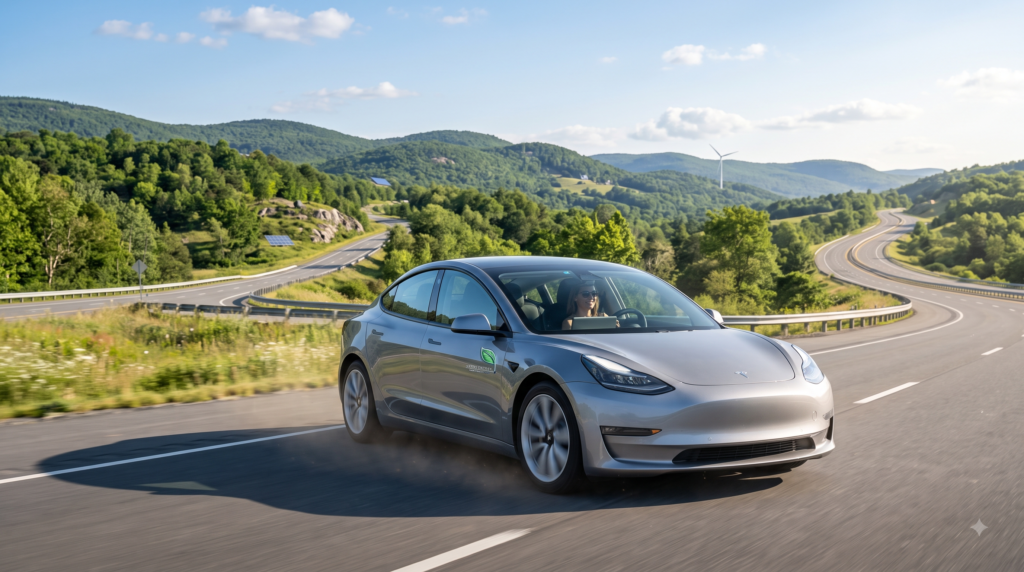
Hybrids serve as a practical option for drivers who want both gas and electric power.
Understanding the Comeback: Why Hybrids Are Back
The resurgence of hybrid vehicles in 2026 is driven by practical consumer needs and economic realities. While early EV adopters were willing to tolerate charger downtime, software glitches, and high entry prices, the mainstream buyer has different priorities. Mainstream consumers expect reliability, predictable operating costs, and convenience. As the market expanded beyond tech enthusiasts, several challenges with pure electric vehicles became apparent:
- Uneven Charging Infrastructure: While public charging networks have grown, drivers in apartment buildings, rental homes, or rural areas still struggle to find reliable overnight charging options.
- Interest Rates and Vehicle Costs: Higher financing rates have made budget-conscious buyers cautious about the higher upfront purchase price of many electric vehicles.
- Range Anxiety in Extreme Weather: The tendency of batteries to lose efficiency in very hot or cold climates remains a concern for drivers in regions with extreme seasonal weather.
Hybrid vehicles address these challenges by pairing a fuel-efficient gasoline engine with an electric motor and a small battery pack. Because the vehicle charges its own battery through regenerative braking and engine power, it requires no plugging in, offering a familiar driving experience with a significant boost in fuel economy.
Hybrid vs. Electric in 2026: A Comparative Look
Choosing between a hybrid and a full EV in 2026 involves looking closely at your driving habits and budget. Both options have distinct advantages depending on how you use your vehicle.
For city drivers with a dedicated garage and home charging setup, a pure electric vehicle remains highly efficient. The low cost of residential electricity and minimal maintenance requirements make EVs very cost-effective over long periods.
However, for drivers who frequently take road trips, cover long highway miles, or live in areas with limited charging options, hybrids offer a highly practical alternative. A modern hybrid can easily travel 500 to 600 miles on a single tank of gas and can be refueled at any gas station in minutes, providing peace of mind alongside excellent fuel economy.
The Core Hybrid Car Benefits
Modern hybrid technology has evolved far beyond the slow, uninspiring hybrids of the early 2000s. Today’s systems deliver a range of benefits that make them appealing to a wide variety of drivers:
- Outstanding Fuel Efficiency: Many mid-size hybrid sedans and compact SUVs achieve over 50 miles per gallon (MPG) in city driving, significantly reducing annual fuel costs.
- Refined Driving Experience: The electric motor provides instant torque from a complete stop, delivering smooth, quiet acceleration before the gasoline engine seamlessly kicks in.
- Reduced Maintenance Costs: Regenerative braking captures energy to slow the vehicle down, which reduces wear on the brake pads and rotors, making them last much longer than on traditional cars.
- No Lifestyle Adjustments: You do not need to plan road trips around charging stations or install expensive home charging hardware. You simply drive and fuel up as you always have.
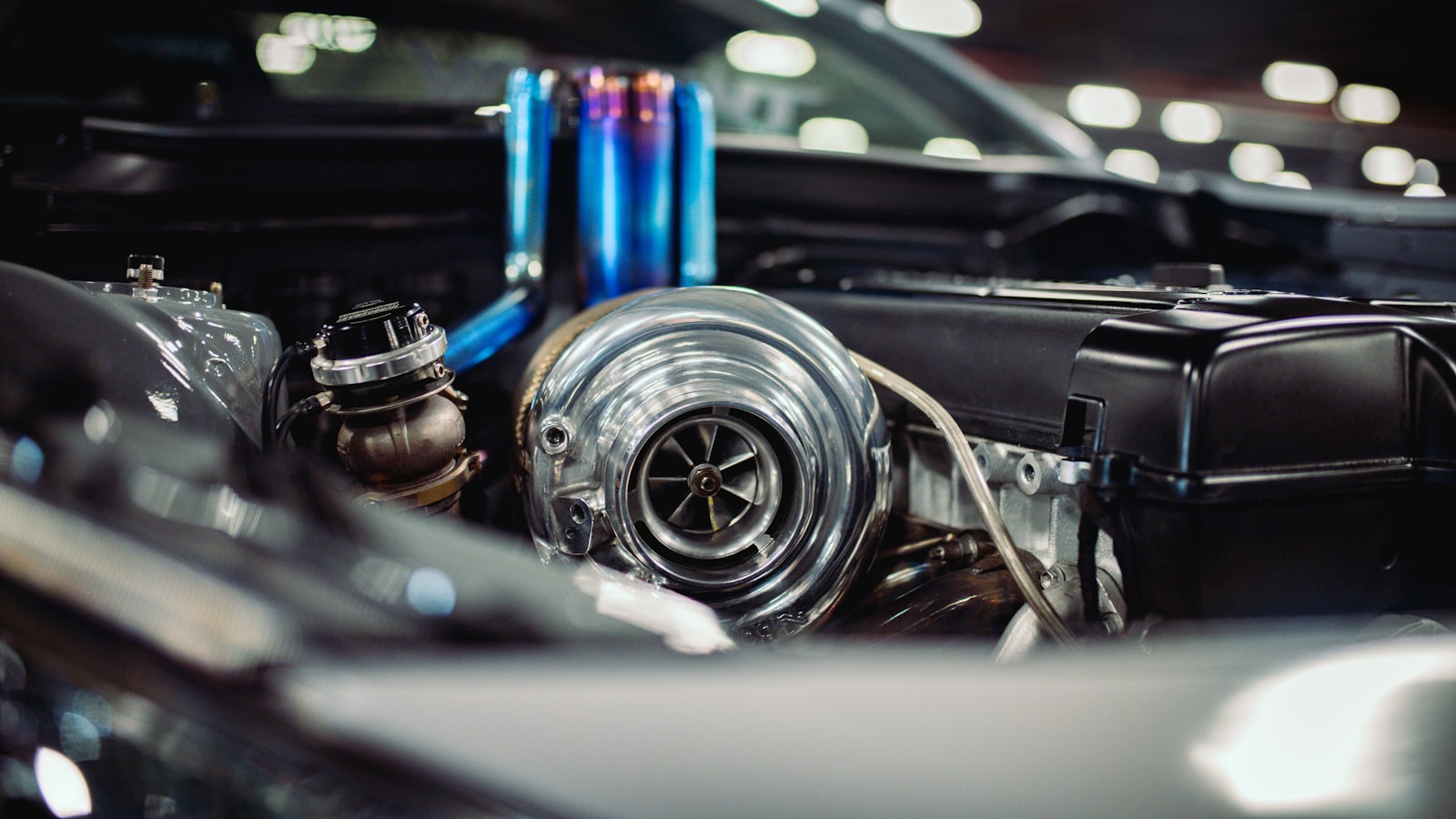
The integration of electric motors and gasoline engines has become highly refined and efficient.
The Best Hybrid Cars to Buy in 2026
The hybrid market is highly competitive, with options spanning every budget and vehicle style. Here are the leading models for 2026:
Toyota Prius & Prius Prime
The Toyota Prius remains the benchmark for hybrid efficiency. Featuring a sleek, aerodynamic design and engaging driving dynamics, the standard hybrid version achieves up to 57 MPG. The Plug-in Hybrid (PHEV) Prius Prime offers the best of both worlds, providing up to 44 miles of pure electric driving for daily commutes before switching to hybrid gas mode for longer trips.
Honda Civic Hybrid
Honda has expanded its hybrid lineup with the Civic Hybrid. By replacing the traditional automatic transmission with Honda’s dual-motor hybrid system, it offers responsive acceleration, quiet highway cruising, and an impressive fuel economy rating of around 50 MPG, making it an excellent option for daily commuters.
Hyundai Tucson Hybrid
For families who need extra space, the Hyundai Tucson Hybrid stands out in the compact SUV segment. It pairs a turbocharged engine with an electric motor to deliver both strong acceleration and excellent fuel economy, along with a spacious cabin and modern driver assist features.
Ford Maverick Hybrid
The Ford Maverick Hybrid has redefined the compact truck market. Offering a versatile pickup bed alongside a hybrid powertrain that achieves over 40 MPG in city driving, it serves as a highly practical utility vehicle for DIYers and urban drivers alike.
A Quick Look at Plug-In Hybrids (PHEVs): PHEVs are a growing subset of the hybrid market. They feature a larger battery pack that can be charged from a wall outlet, allowing you to run your daily errands entirely on electricity while retaining a gasoline engine for weekend road trips.
The Role of Hybrids in the Global Green Transition
From an environmental standpoint, hybrids are playing a crucial role in reducing carbon emissions quickly. Because hybrid batteries are much smaller than EV batteries, manufacturers can build dozens of hybrid battery packs using the same amount of raw materials required for a single large EV battery. This allows automakers to reduce emissions across a much larger number of vehicles, making efficient driving accessible to more people while the battery supply chain and electrical grids continue to mature.

By improving fuel efficiency in stop-and-go city traffic, hybrids help lower urban emissions.
Conclusion
The hybrid resurgence of 2026 is a practical response to the realities of transition-era infrastructure and consumer preferences. While all-electric vehicles represent the ultimate long-term destination, hybrid cars offer a highly functional, affordable, and stress-free solution for the present. By analyzing hybrid vs electric 2026 options and identifying the hybrid car benefits that fit your driving style, you can make a smart, sustainable investment. From the efficiency-focused Toyota Prius to the versatile Ford Maverick, the best hybrid cars of 2026 are ready to help you save fuel and drive comfortably without changing your lifestyle.
Key Takeaways
- Infrastructure Solution: Hybrids are experiencing a strong comeback because they do not rely on public charging stations, making them ideal for buyers without home chargers.
- High Efficiency: Modern hybrids regularly achieve 50+ MPG, offering a major reduction in fuel costs and emissions without driving range limitations.
- Resource Efficiency: Small hybrid batteries use fewer raw materials than large EV batteries, allowing manufacturers to build more eco-friendly vehicles at lower costs.
- PHEVs as a Bridge: Plug-in hybrids allow drivers to complete daily commutes on electric power while keeping a gasoline engine for long-distance flexibility.